

There’s nothing quite like turning heads when you roll up in a beautifully restored ’67 Mustang. Or feeling that rumble of a classic muscle car engine on a Sunday morning cruise.
Classic cars aren’t just vehicles; they’re passion projects, investments, and pieces of rolling history. And if you own one (or dream of owning one), you already know they require special care.
That includes how you insure them.
Let’s talk about everything you need to know about classic cars. From restoring that beauty sitting in your garage to making sure it’s properly protected.
Good question. The answer depends on who you ask.
Generally speaking:
A classic car is typically 10-25 years old and has been restored or maintained in original (or better-than-original) condition.
An antique car is usually 25+ years old and holds historical significance or has been carefully preserved.
A vintage car often refers to vehicles from specific eras, like pre-war classics from the 1920s-1940s.
But here’s the thing: different insurance companies have different definitions. Some consider any well-maintained older vehicle a classic. Others have strict age requirements.
What matters most? Your car holds value (or appreciates over time) and you don’t drive it every day.
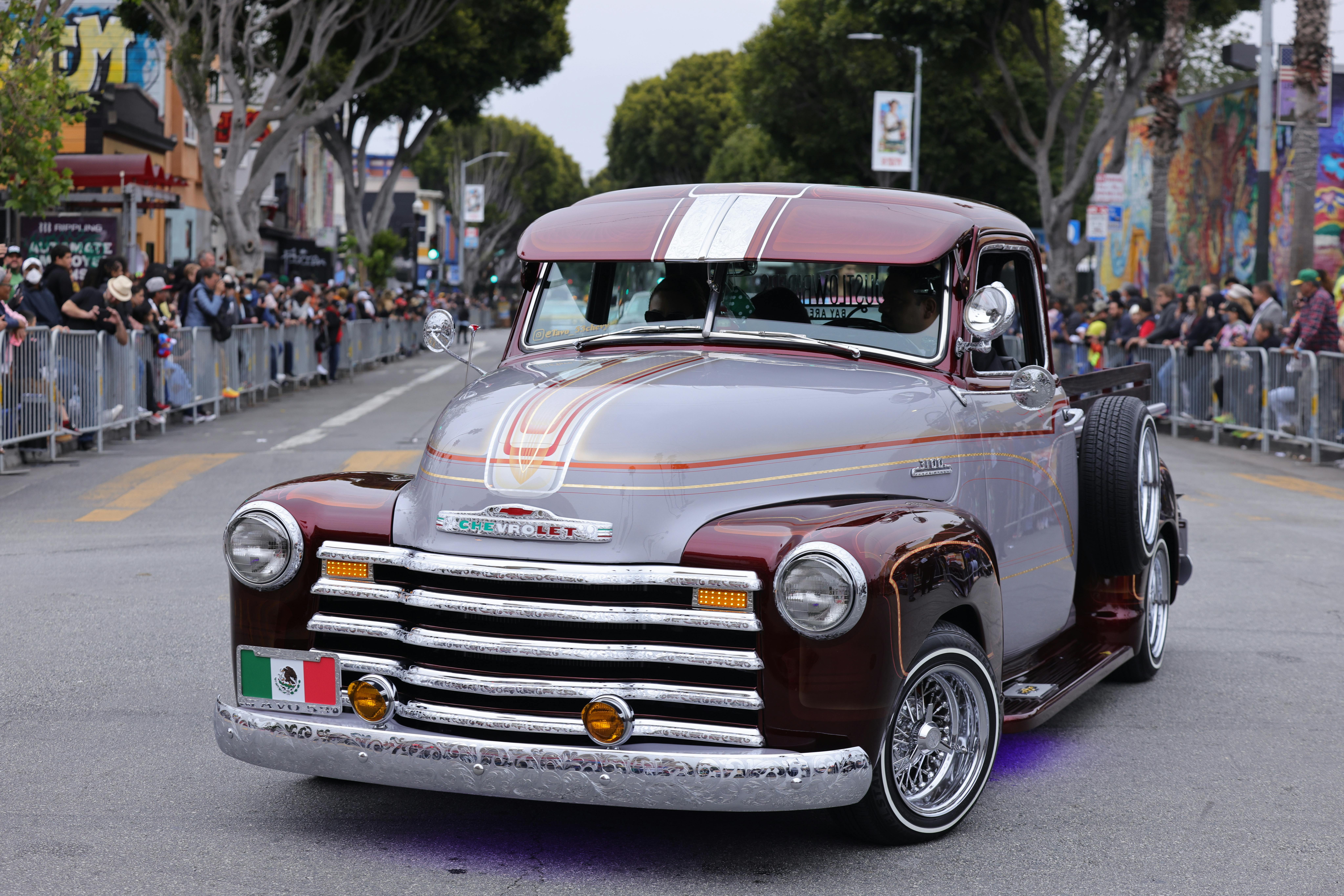
That ’72 Chevy pickup you restored? Classic.
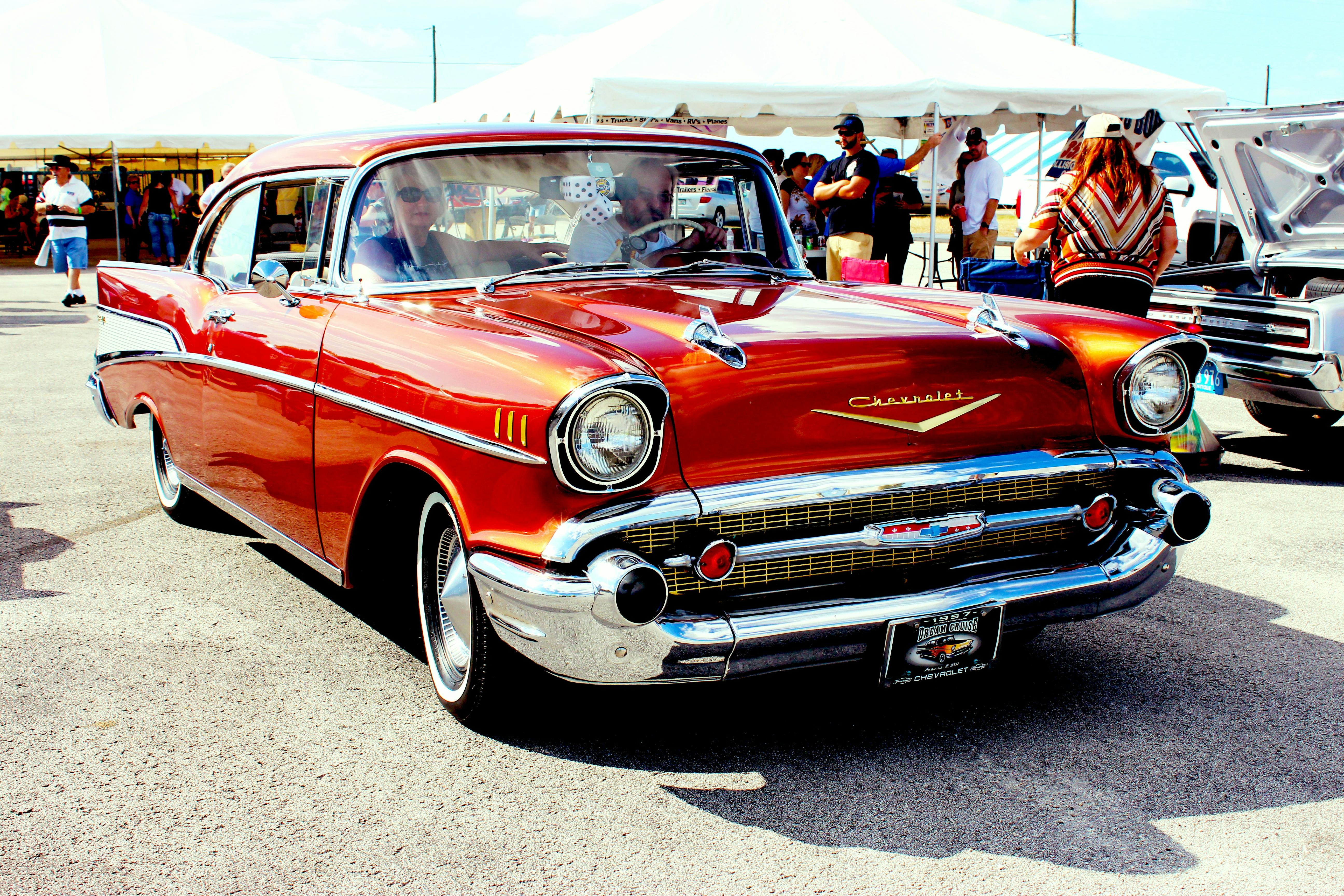
That pristine ’57 Bel Air you only take to car shows? Definitely classic.
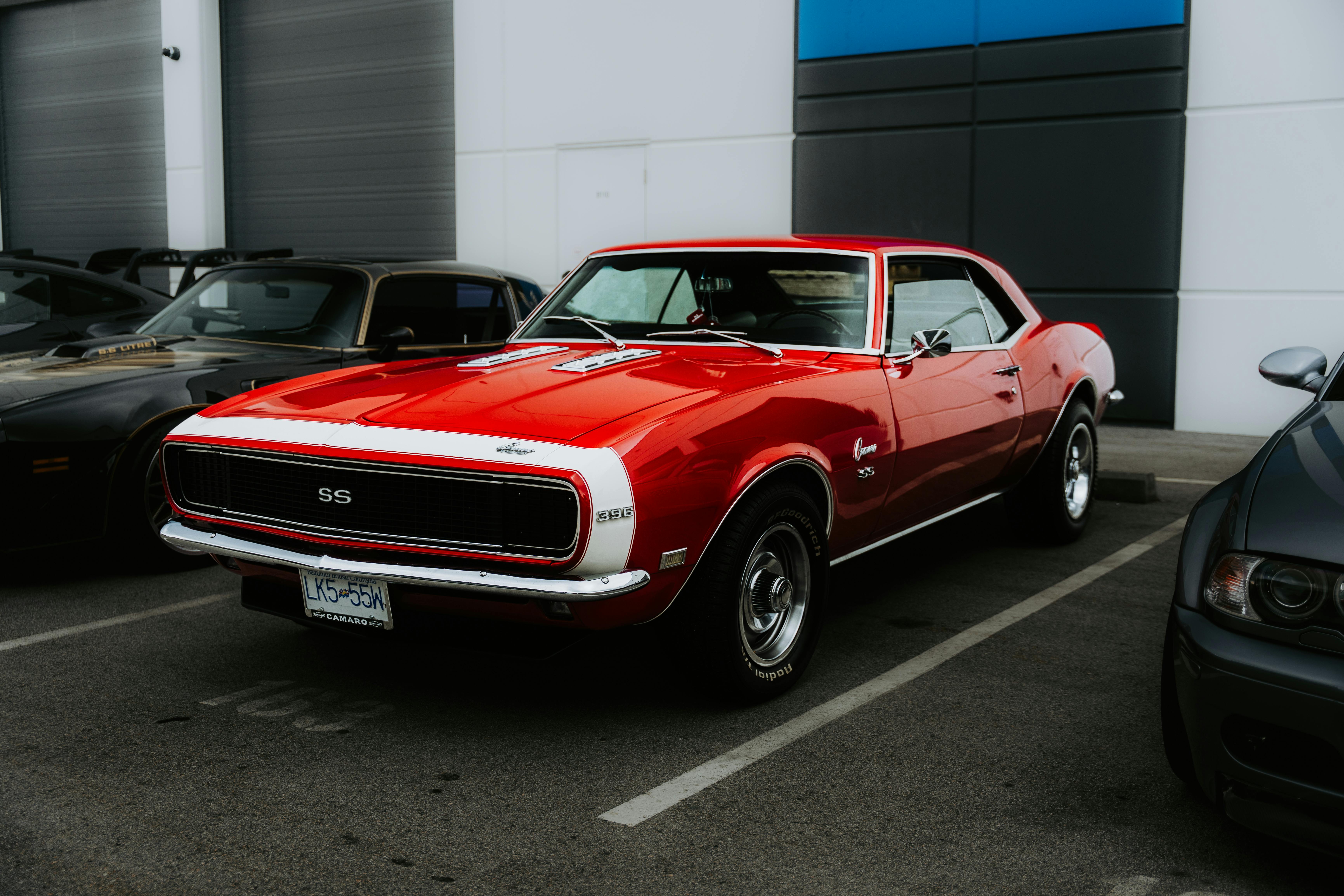
That ’85 Camaro IROC-Z you daily drive to work? Probably needs regular insurance, not classic coverage.
If any of these sound familiar, you need classic car insurance:
You own a car that’s 10+ years old and in great condition.
Your car has been restored or customized.
You’ve invested serious time and money into your vehicle.
Your car only comes out for special occasions, shows, or weekend drives.
You have another vehicle for daily driving.
Your car is stored in a garage or covered structure when not in use.
Your car is worth more than what regular insurance would pay.
Basically, if you care about your classic car as more than just transportation, if it’s a hobby, an investment, or a labor of love, you need specialized coverage.
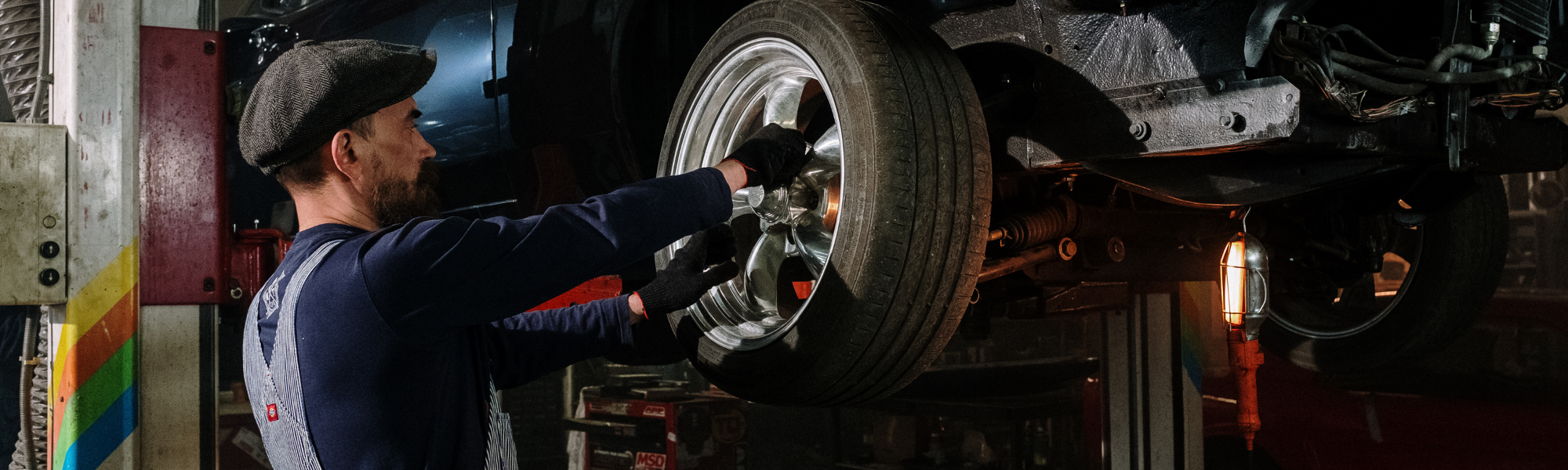
Okay, let’s talk restoration. Because maybe you’re thinking about buying a project car, or you’ve already got one sitting in the garage.
Here’s what you need to know:
Everyone goes into a restoration project with a budget. And everyone blows past that budget.
Parts are expensive. Labor (if you’re not doing it yourself) is expensive. Those “little things” you didn’t notice? Also expensive.
Budget for at least 50% more than you initially planned. Seriously.
“I’ll have this done in six months” is what everyone says.
Two years later, you’re still hunting down the right carburetor.
Restoration projects have a way of revealing more issues the deeper you dig. That’s just how it goes.
Take photos. Keep receipts. Track every single thing you do.
Why? Because when it’s time to insure your car, you’ll need proof of what it’s worth. Documentation of your restoration work is gold when it comes to getting proper coverage.
That trim piece you need? Discontinued in 1973.
Those specific tail lights? Good luck.
This is where classic car communities, swap meets, and online forums become your best friends. And it’s also why spare parts coverage on your insurance policy matters.
There’s something incredibly satisfying about bringing a piece of automotive history back to life.
The first time you fire up that engine after months of work? Unforgettable.
Pulling into a car show and having people swarm your ride? Priceless.
Taking your kid for a cruise in the same car your dad used to drive? That’s the stuff memories are made of.
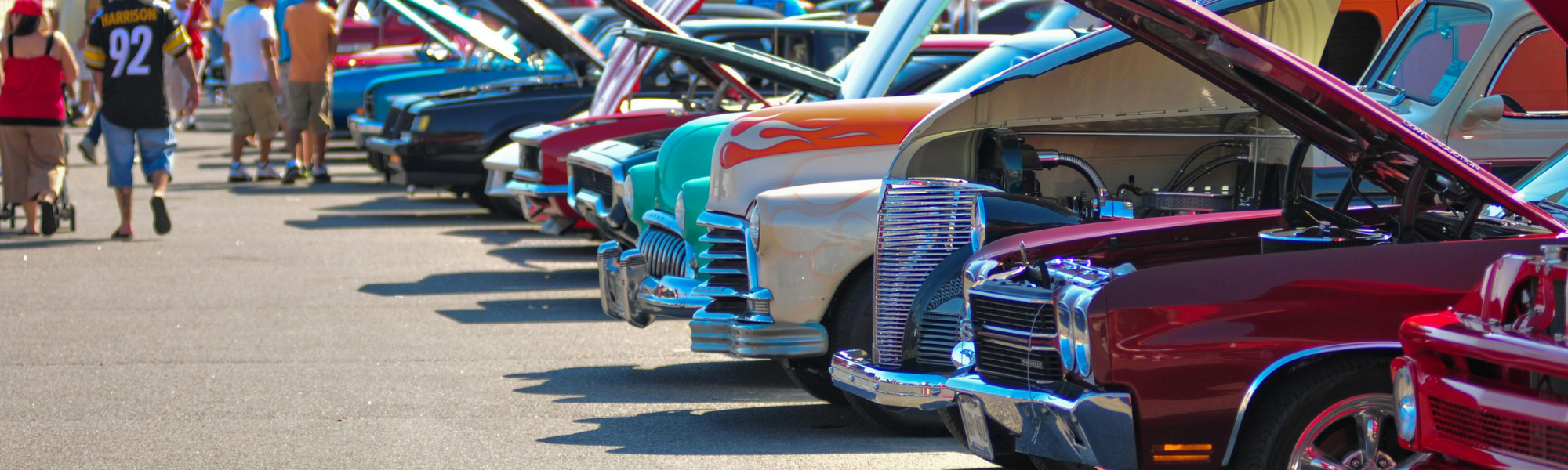
Insurance is crucial, but it’s not the only way to protect your investment.
A garage is best. Climate-controlled is even better.
Keep it covered when not in use. Protect it from dust, moisture, and critters who think your classic is their new home.
Just because you don’t drive it every day doesn’t mean you can ignore maintenance.
Start it up regularly. Check fluids. Keep the battery charged. Change the oil even if you haven’t hit the mileage interval.
Classic cars that sit too long develop problems.
Cars are meant to be driven. Letting your classic sit forever isn’t good for it.
Take it out for regular drives. Keep everything moving and working.
Just don’t make it your daily driver, that’s what disqualifies you from classic car insurance.
Classic car clubs are gold. You’ll learn from experienced owners, find parts, get restoration advice, and make friends who actually understand your obsession.
Plus, club events are a great excuse to drive your car.
We said it before, but it’s worth repeating.
Photos, receipts, appraisals, service records. Keep it all organized.
If you ever need to file a claim, you’ll be glad you did.
COMMON CLASSIC CAR INSURANCE QUESTIONS:
Nope. Classic car insurance is for occasional use only – car shows, club events, pleasure drives. Not daily commuting. If you want to drive it to work, you’ll need regular auto insurance.
Many classic car policies offer restoration coverage. Your car doesn’t have to be finished to be insured.
Not always, but it helps – especially for high-value cars or if there’s a dispute about what your car is worth.
Modifications can be covered, but you need to tell your insurance company. Custom parts, engine swaps, upgraded suspension – all of it affects your car’s value and coverage needs.
Absolutely. In fact, many insurers offer discounts for insuring multiple collector vehicles.

Look, there are plenty of insurance companies out there. But here’s why classic car owners trust Fiesta:
We understand that your classic car isn’t just a car. It’s a passion project. An investment. A piece of your heart.
We treat it that way.
No confusing automated systems. No getting bounced around to different departments.
Just real people who actually care about helping you get the right coverage.
Every classic car is different. Every owner’s situation is different.
We work with you to build coverage that actually fits, not some one-size-fits-all policy.
We help you find coverage that protects your investment without overpaying.
We speak your language!
There’s probably a Fiesta office near you where you can talk to someone face-to-face.
Let’s be MAX honest.
Classic cars are expensive. They’re time-consuming. They break down at inconvenient times. Parts are hard to find. Restoration projects take forever.
But…
There’s nothing else like them.
The sound of a carbureted V8 firing up.
The smell of old leather and motor oil.
The feeling of driving something with actual character, something that doesn’t have traction control or lane departure warnings or any of that modern stuff.
The pride of bringing something back from the dead and making it beautiful again.
The connection to automotive history.
The friendships you make in the classic car community.
The look on people’s faces when you pull up in something special.
Yeah, it’s worth it.
And when you find the right car, that one that speaks to you, you’ll understand why people dedicate years of their lives to these machines.
Just make sure you protect that investment with proper insurance.
Ready to Protect Your Classic?
Whether you’re restoring a project car or already cruising in your dream ride, Fiesta Auto Insurance has you covered.